

How to Create Peaceful Home Energy: 7 Steps
Last Updated: October 23, 2026
Quick Summary
Peaceful home energy is the calm, welcoming feeling you get when you walk into a space that feels safe and right. Creating peaceful home energy starts with decluttering, choosing soft colors, adding natural light, and bringing in plants and natural elements that support how you want to feel.
- Declutter by keeping only items you use or love, then organize what remains into zones with containers and clear surfaces.
- Choose soft, pastel or muted colors like cream, soft green, dusty blue, lavender, pink, or coral to naturally soothe your nervous system.
- Use warm lighting at 2700K color temperature and maximize natural light during the day to lift mood and reduce stress.
- Add hardy plants like pothos or snake plants, plus natural elements like wood and woven baskets to ground your space.
- Set simple routines and communicate openly with housemates about quiet hours and shared spaces to maintain calm.
Table of Contents
- What Peaceful Home Energy Actually Means
- Step 1: Start with Decluttering and Organization
- Step 2: Choose Calming Colors for Home
- Step 3: Bring in Natural Light and Home Decor
- Step 4: Add Plants and Natural Elements
- Step 5: Create Calming Home Decor Ideas with Scent and Sound
- Step 6: Design a Peaceful Bedroom Ideas Space
- Step 7: Set Household Routines and Calm Communication
- Frequently Asked Questions
What Peaceful Home Energy Actually Means
Peaceful home energy is the feeling you get when you walk into a space that feels calm, welcoming, and right. It's not about being perfect or following rigid rules. It's about creating an environment where you feel safe, relaxed, and connected to yourself.
How to create peaceful home energy starts with understanding what that means for you personally. Some people find peace in simplicity, others feel it in nature-inspired touches, colorful details, dreamy pastels, or creative and unique details . The common thread is always Mindfulness and Intention.
Your home should reflect who you are and support how you want to feel. When you walk through your door, your surroundings either calm you down or wind you up.
Step 1: Start with Decluttering and Organization
Clutter is the enemy of calm. When your space is full of things you don't use or love, your mind stays busy processing all that visual noise. Decluttering isn't about throwing everything away. It's about keeping what matters and letting go of what doesn't.
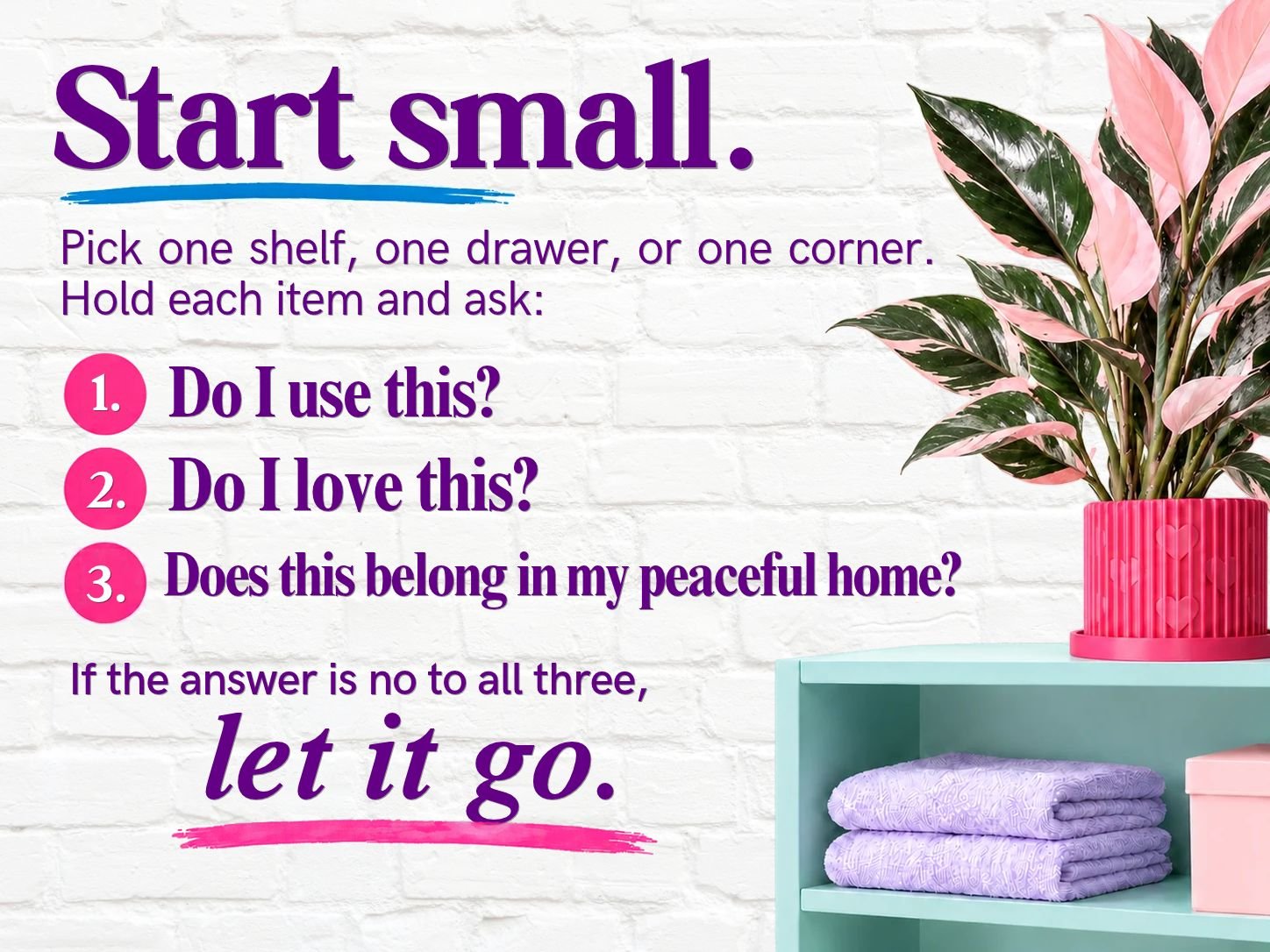
Start small. Pick one shelf, one drawer, or one corner. Hold each item and ask:
- Do I use this?
- Do I love this?
- Does this belong in my peaceful home?
If the answer is no to all three, let it go.
Once you've decluttered, organize what's left. Use baskets, boxes, or simple containers to group similar items. When everything has a home, your space feels intentional instead of chaotic. Organization creates visual calm, which leads to mental calm.
Here's what to focus on:
- Remove items you haven't used in a year
- Create zones for different activities (work, rest, creativity)
- Store things out of sight when possible
- Keep surfaces clear except for a few meaningful items
- Use vertical space with shelves to reduce floor clutter
The goal isn't perfection. It's creating breathing room in your space so your mind can breathe too.
Step 2: Choose Calming Colors for Home
Color affects mood more than most people realize. Certain hues naturally soothe the nervous system. Others energize it. When you're building calming colors for home, think soft, natural, and muted.
Warm neutrals like beige, cream, and soft taupe create a grounded feeling. Soft greens and blues evoke nature and calm. Gentle grays add sophistication without harshness. Soft tones of pink and mint connect us with love and kindness. These colors work because they don't demand attention. They let your mind settle.
Avoid bright, saturated colors in spaces where you rest. Save bold colors for accents, not walls. A small pillow in a deeper color works. An entire room in neon, for example, would be great for a party, but not for a room where you intend to rest, focus, meditate or relax.
Paint isn't your only option. If you rent or want to avoid commitment, use textiles. A soft throw blanket, curtains, or a rug can shift the entire feel of a room. Layer different neutral tones to create depth without intensity.
Consider these color strategies:
- Paint one accent wall in a soft, muted tone.
- Use white or cream as your base to keep things light.
- Add warmth with soft browns and taupes.
- Bring in nature tones like sage green or dusty blue
- Layer textures in similar color families for visual interest
The right calming colors for home create a backdrop that supports rest instead of demanding attention.
Step 3: Bring in Natural Light and Home Decor
Light changes everything. Natural light is the best medicine for a dark, gloomy space. It lifts mood, reduces stress, and makes everything feel fresher. If you have windows, use them.
Open curtains and blinds during the day. Remove heavy drapes if they block light. If privacy is a concern, use sheer fabrics that filter light without blocking it.
For evenings and dark corners, choose warm lighting. Soft, warm bulbs (2700K color temperature) feel cozy. Harsh, bright white light (5000K) feels clinical and stressful.
Natural light and home decor work together. When light is good, your decor shows itself in the best way. Shadows disappear. Colors appear truer. Your carefully chosen pieces actually get seen and appreciated.
Lighting choices that support peaceful energy:
- Use warm white bulbs throughout your home
- Install dimmer switches in living spaces
- Position lamps to avoid harsh shadows
- Layer light sources: overhead, task, and accent lighting
- Let natural light in during the day whenever possible
Good lighting makes everything feel better. It's one of the easiest and most powerful changes you can make.
Step 4: Add Plants and Natural Elements
Plants bring life and calm to a space. They clean the air, add color, and create a connection to nature. You don't need a green thumb.
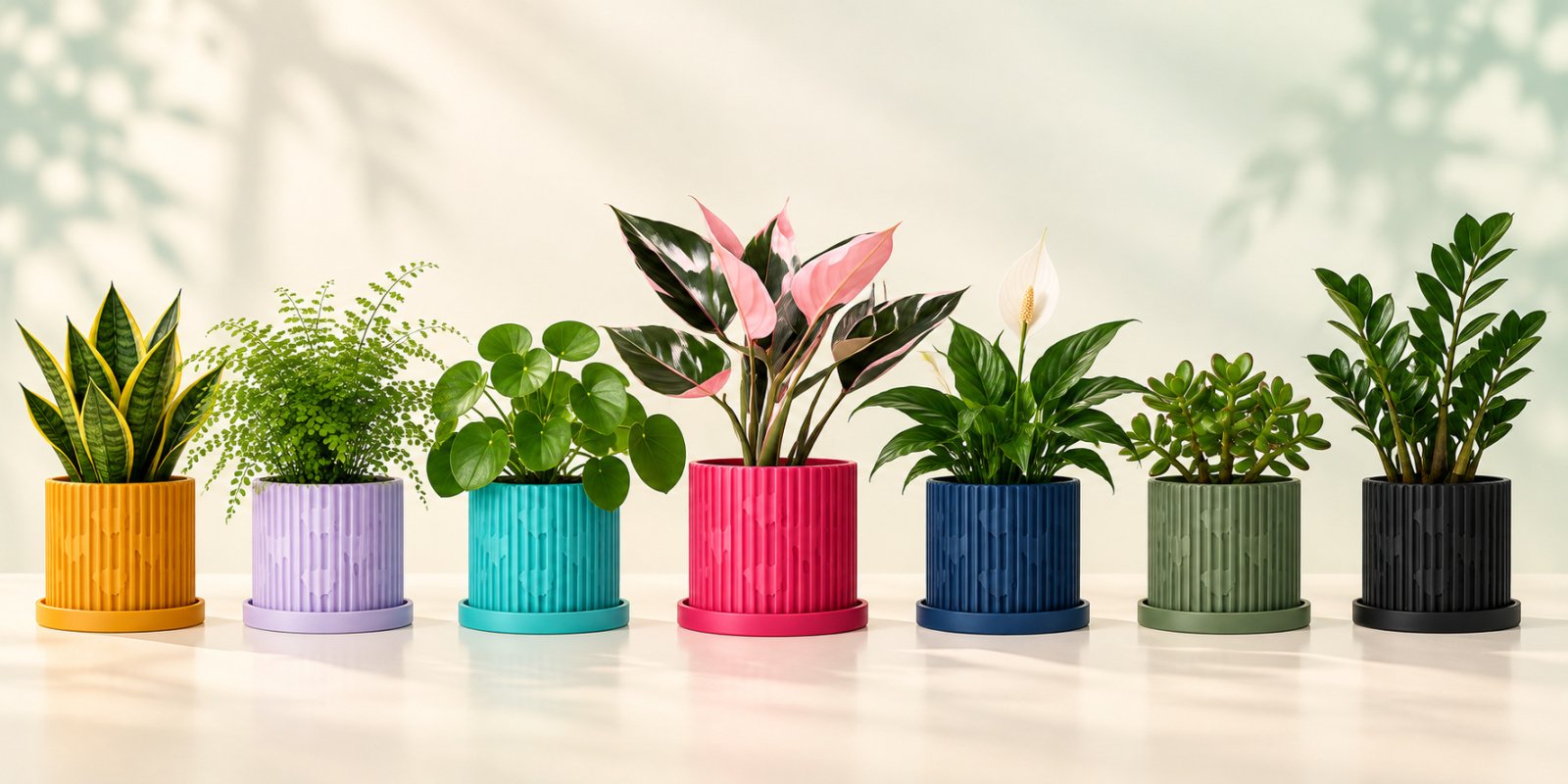
Pothos, snake plants, and ZZ plants are nearly impossible to kill. They grow in low light and don't need constant watering. Place them on shelves, in corners, or on tables.
Natural elements go beyond plants. Wood, stone, and natural fibers create warmth and grounding. A wooden shelf, a stone coaster, or a woven basket all add texture and connection to nature.
Our Modern Heart-Shaped Planter with Drainage & Saucer combines function with warm and peaceful design. Or try the Conduit Plant Stand with Planter & Water Catch for stylish aesthetics that bring life to halls, window spaces and corners.
Natural elements to include:
- Potted plants in different sizes
- Wooden furniture or decor pieces
- Stone or ceramic vessels
- Woven baskets for storage
- Natural fibers like linen or jute
- Branches, stones, or shells as decor
These elements remind you that you're part of something larger. They ground you in the present moment.
Step 5: Create Calming Home Decor Ideas with Scent and Sound
Scent and sound shape how you feel in a space. They're often overlooked, but they're powerful tools for creating peaceful home energy.
Scent works directly on your brain. Soft, natural scents like lavender, eucalyptus, or cedarwood calm the nervous system. Avoid synthetic fragrances that can feel overwhelming. Candles, diffusers, or even dried flowers work. Light a candle while you work or rest. The ritual itself becomes calming.
Sound matters too. Silence can feel empty if you are not used to it. Soft background sounds help with feelings of peace, relaxation and coziness. Consider gentle music, nature sounds, singing bows, tunning forks, or healing frequencies. Keep volume low. The goal is to mask harsh sounds, not create new ones.
Calming home decor ideas using sensory elements:
- Burn natural candles with scents you love
- Use a diffuser with essential oils you enjoy (eucalyptus, lavender, chamomile, caramel, cinnamon)
- Play soft instrumental music or nature sounds
- Keep a small water fountain for gentle background sound in areas that are not meant for sleeping.
- Hang wind chimes near a window
- Use scent sparingly to avoid overwhelming the space
These sensory touches make your space feel intentional and nurturing. They engage your senses in a way that supports calm. Please keep in mind that while these sensory elements are wonderful for creating peaceful environments they may not work in the same way while sleeping. Some sounds may interfere with restful sleep and may cause an steady alert signal in the nervous system while sleeping.
Step 6: Design a Peaceful Bedroom Ideas Space
Your bedroom deserves special attention.
Start with the bed itself. The bed should be the visual focus. Everything else supports rest. Remove work materials, screens, and clutter.
Layer for touch, not just looks. Quality pillows, a comfortable mattress, and breathable sheets make sleep better.
Control light and sound. Blackout curtains or a comfortable eye mask help if light wakes you.
Keep the palette quiet. Soft, muted tones on walls and bedding reduce visual stimulation.
Make it easy to reset. A small basket or drawer for "tomorrow's stuff" keeps surfaces clear without requiring a full tidy every night.
Our Mountain Meditation Pillow ($58.00) in premium linen brings both comfort and calm imagery to your sleep space.
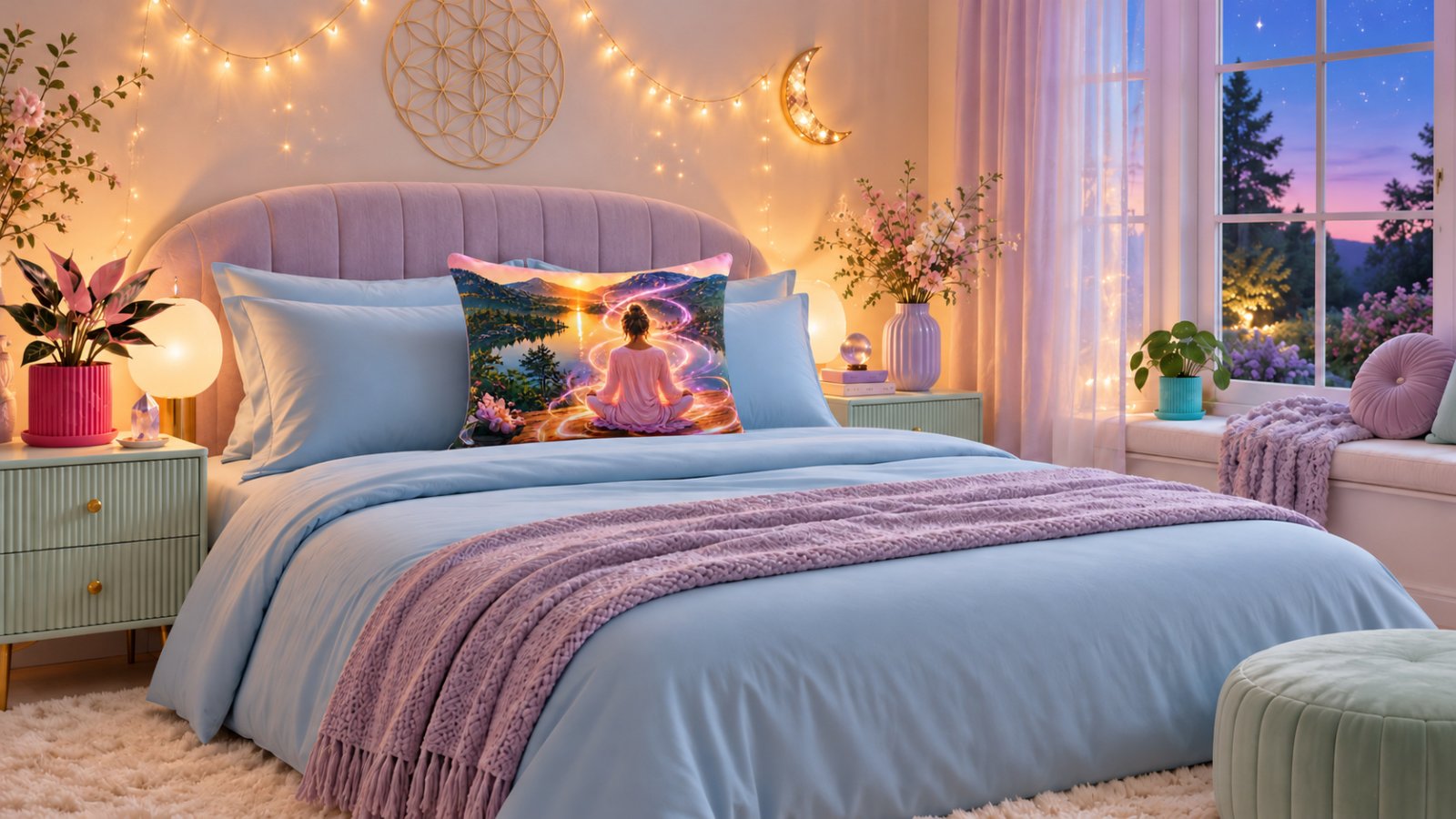
Bedroom essentials for peace:
- A quality mattress and pillows you actually find comfortable
- Soft, cooling comfort bedding in soft tones.
- Blackout curtains or an eye mask for light control
- A small nightstand with minimal items
- Soft, dimmable lighting (warm bulbs, around 2700K)
- No screens visible from the bed
- A simple reset routine so the room stays calm between cleanings
Your bedroom should feel like a sanctuary. When it does, sleep improves, stress decreases, and you wake up calmer.
Step 7: Set Household Routines and Calm Communication
Peaceful home energy isn't just about objects. It's about how people move through the space and interact.
Start with simple, repeatable routines. Routines create predictability, and predictability lowers background stress. A morning routine sets a peaceful tone for the day.
A few that tend to work well:
- A five-minute morning quiet before anyone checks a phone
- A ten-minute evening tidy so you wake to a calmer space
- Meals together when possible
- A wind-down hour before sleep (dim lights, lower volume)
- A shoes-off or "landing spot" ritual at the door to mark the transition home
Then talk about shared space, before it becomes a problem. Most household friction comes from unspoken expectations: who cleans what, when quiet hours start, where clutter accumulates.
A simple shared-space agreement for people who like routines:
- Quiet hours (for example, after 10 p.m. on weeknights)
- Who handles which chores and how often
- One "clear" surface everyone commits to keeping empty
- A rule for headphones or low volume in shared rooms
- A weekly five-minute check-in to adjust what isn't working
If you live with more freedom and less routines, you can adjust things according to your household ebb and flow.
Practice calm communication in the moment. When people speak with intention and listen actively, the whole home feels different. Address conflicts kindly and when reception is optimal instead of letting tension build. Avoid discussing any issues before bed time, during meals. Try weaving the subject into the conversation instead of using phrases such as “we need to talk” which may activate an “alert” response, instead of a peaceful interaction.
Make room for different needs. Not everyone winds down the same way. Some people need quiet; others need background sound.
When routines and communication are calm, your home becomes a true refuge.
Frequently Asked Questions
How do I create positive energy in my home?
Start by removing clutter and organizing your space—visual chaos drains mental energy. Add plants, use soft lighting, and choose calming colors like soft blues or greens. Incorporate scents through candles or diffusers, keep the air fresh, and establish routines that feel grounding. Small touches like the Mountain Meditation Pillow or a plant like those in the Lotus Flower Pot can anchor a peaceful atmosphere and remind you daily of your intention for calm.
What are the best calming colors for home spaces?
Soft, pastel, or muted colors like cream, mint, light blue, lavender, blush pink, or coral naturally soothe your nervous system and create peaceful home energy. Blues and greens connect to nature and promote relaxation, while warm whites and taupes feel grounding. Avoid bright reds, oranges, or stark whites, which can feel stimulating. Paint an accent wall or add calming colors through pillows, throws, or artwork to test what feels right before committing to larger changes.
How can I make my bedroom feel more peaceful?
A peaceful bedroom needs soft lighting, minimal clutter, and a cool color palette. Use blackout curtains or soft ambient light, keep surfaces clear, and add one or two meaningful pieces like a meditation pillow. Choose natural fabrics and keep the room temperature cool. Avoid screens an hour before bed, and consider adding a small plant or essential oil diffuser to enhance the tranquil environment without overwhelming the senses.
Do plants really help create a calmer home environment?
Yes. Plants improve air quality, add natural elements, and create visual interest that feels grounding. They also give you a daily mindfulness practice through watering and care. Choose low-maintenance varieties like pothos or snake plants if you're new to plant care. Display them in beautiful planters like the Vintage Siena Planter or Lotus Flower Pot to make them part of your decor and anchor peaceful energy in each room.
At IntuiBox, we understand that your home should feel like an extension of your truest self. Our curated collection of artsy home goods and nature-inspired decor is designed to help you build a space that feels authentically yours. Explore our selection of planters, pillows, and thoughtfully crafted pieces that bring both beauty and calm to your environment. Choose options and start creating the peaceful home energy you deserve.
